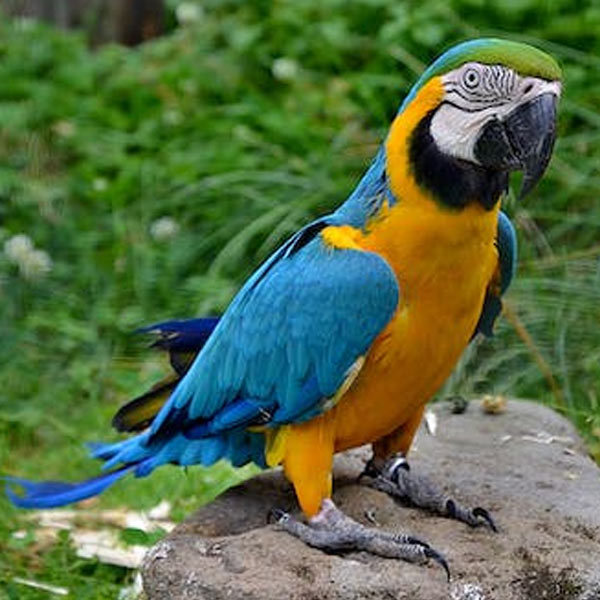
Start with an introduction that captures the reader’s interest by discussing the allure of macaws, known for their vibrant colors, intelligence, and engaging personalities. Mention that finding a Macaw for sale near me locally can be a rewarding experience, offering the opportunity to meet the bird in person and ensure a good match.
1. Why Choose a Local Purchase?
Personal Interaction: Explain the benefits of buying a macaw locally, such as the ability to meet the bird in person, observe its behavior, and interact with it before making a purchase.
Supporting Local Breeders: Highlight the importance of supporting local breeders who are often more invested in the well-being of their birds and can provide personalized care and advice.
Easier Transition for the Bird: Discuss how purchasing locally can reduce stress for the bird, as it won’t have to endure long transportation times.
2. Where to Start Your Search
Local Breeders: Suggest starting by researching local macaw breeders. Provide tips on how to find reputable breeders, such as checking online directories, visiting bird expos, or asking for recommendations from local avian veterinarians.
Pet Stores: Discuss the option of purchasing a macaw from a local pet store, emphasizing the importance of choosing a store known for its ethical practices and knowledgeable staff.
Rescue Organizations: Encourage readers to consider adopting a macaw from a local rescue organization or bird sanctuary. This can be a great way to give a home to a bird in need.
3. How to Evaluate a Macaw for Sale
Health and Vitality: Offer advice on what to look for when evaluating a macaw, such as clear eyes, bright feathers, and an active disposition. Mention the importance of asking for a health certificate or records of veterinary visits.
Behavioral Assessment: Explain how to observe the macaw’s behavior, including how it interacts with people, its level of vocalization, and signs of socialization or aggression.
Breeder’s or Seller’s Knowledge: Encourage potential buyers to ask the breeder or seller about the bird’s history, diet, and any special care requirements. A knowledgeable seller should be able to provide detailed information and guidance.
4. Questions to Ask the Seller
Background Information: Suggest asking about the macaw’s age, origin, and previous ownership, if applicable. This information can help gauge the bird’s adaptability and temperament.
Health History: Recommend inquiring about any past health issues, vaccinations, and whether the bird has been tested for common avian diseases.
Socialization and Training: Advise asking about the bird’s socialization experiences, such as exposure to other pets or children, and any training it may have received.
5. Preparing for Your New Macaw
Setting Up at Home: Provide tips on preparing a suitable environment for the macaw, including selecting the right cage size, toys, perches, and food.
Transporting the Bird: Offer advice on how to safely transport the macaw from the seller’s location to your home, minimizing stress during the move.
Initial Adjustment Period: Discuss what to expect during the first few days and weeks after bringing the macaw home, including tips on helping the bird adjust and begin to bond with its new family.
6. Legal and Ethical Considerations
Local Regulations: Remind readers to check local laws and regulations regarding the ownership of exotic birds like macaws. Some areas may have specific requirements for permits or housing conditions.
Ethical Breeding Practices: Emphasize the importance of choosing a seller who adheres to ethical breeding practices, ensuring the welfare of the birds and avoiding contributing to illegal wildlife trade.
Conclusion
Conclude the article by encouraging readers to take their time in finding the right macaw for sale near them. Stress the importance of doing thorough research, meeting the bird in person, and ensuring they are fully prepared to provide a lifelong home for their new feathered companion.
Final Thoughts
This approach will help readers navigate the process of finding and purchasing a macaw locally, ensuring a positive experience for both the buyer and the bird.